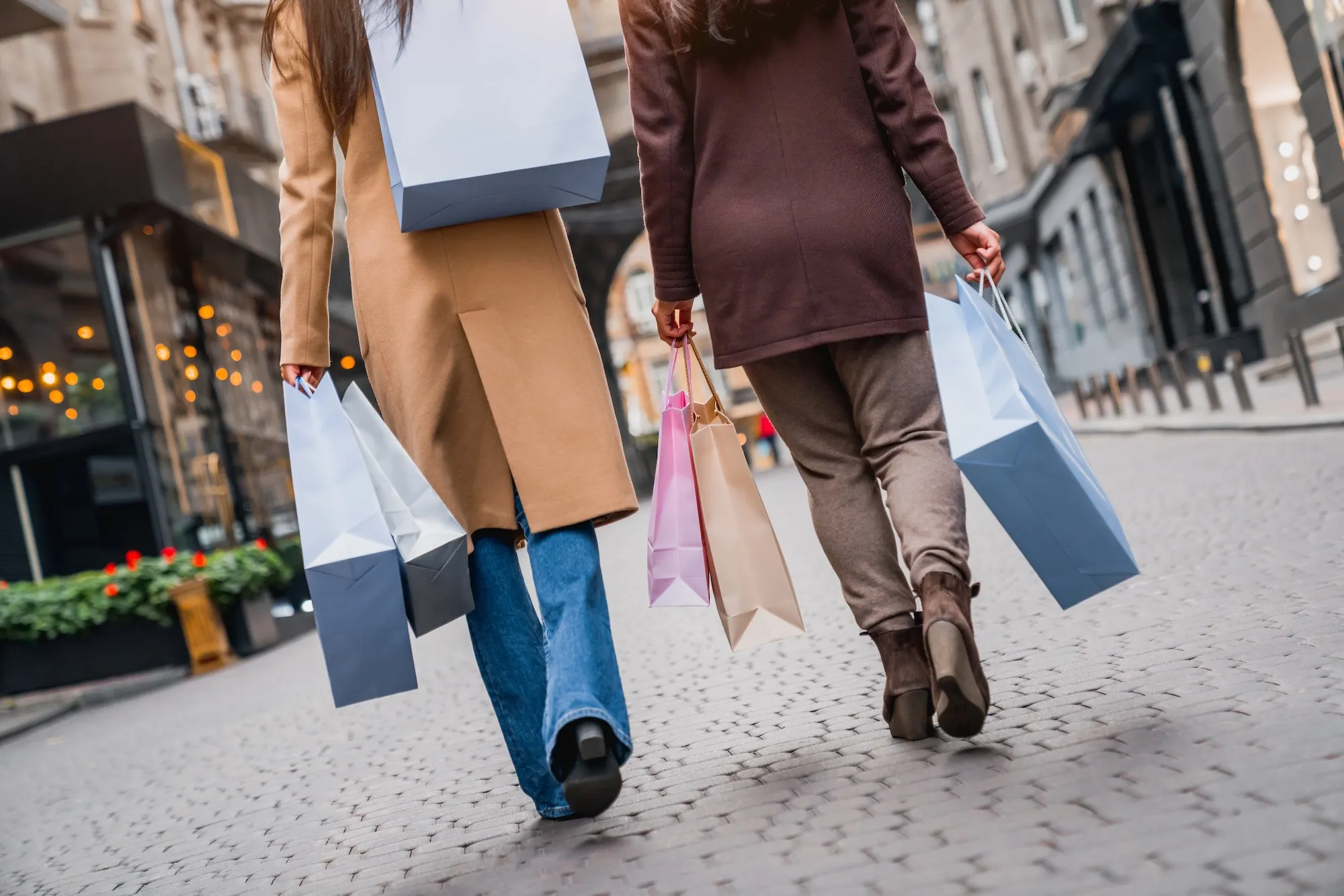
Do you want to generate large amounts of qualified foot traffic in your stores? A drive-to-store strategy is made for you. At the heart of omnichannel marketing, it’s now widely adopted by retailers who want to attract more customers. Here’s an overview of the concept: definition, benefits, and strategic levers.
What is drive-to-store?
The main goal of drive-to-store is to increase foot traffic in physical stores to encourage consumers to purchase products or services. This strategy puts the physical store at the heart of the customer experience and brand communication, creating a link between online presence and offline retail. In other words, drive-to-store connects digital channels with physical stores.
Drive-to-store is not limited to a transportation method, location, or specific device. It refers to marketing actions that target an online user based on their geolocation data. The aim is to encourage them to visit a nearby store — and ultimately make a purchase. All digital channels can be used to increase store traffic.
Good to know: what’s the main difference between drive-to-store and web-to-store?
The targeting focus differs between the two strategies. Web-to-store targets consumers scrolling the web or social media at home or work. Drive-to-store, on the other hand, focuses on mobile consumers on the move, using their smartphones during personal or professional activities. Though different in targeting approach, both strategies share the same goal: bringing customers into a physical store.
Benefits of drive-to-store
A drive-to-store strategy offers many advantages for retailers:
- Improve online visibility
- Better understand consumer behavior through data
- Increase in-store sales
- Lower costs compared to other solutions
- Deliver services and offers tailored to customer needs, improving user experience
- Grow market share
- Expand customer base by attracting consumers who prefer shopping in store
- Convert digital prospects into in-store customers
- Personalize the customer journey using collected data
- Provide engaging and innovative in-store experiences (product demos, personalized advice, gifts, etc.)
- Meet consumers’ need for immediacy
- Strengthen trust with the brand
How to implement a drive-to-store strategy
An essential ingredient of drive-to-store is collecting location data. There are three main ways to do this:
SDK tracking (in-app)
This technique gathers geolocation data regularly — 24/7 — with high precision. However, it requires a mobile app and can consume significant battery power.
Bid request targeting
This real-time ad auction technology collects geolocation data less intrusively. It allows you to target prospects near a store based on predefined criteria.
Third-party advertising or targeting data
Collected and sold by external providers, this data can include geographic information that can guide drive-to-store campaigns.
Once target audiences are geolocated, the objective is to reach the right people with the right message at the right time and on the right channel, particularly:
- Within the trade areas around your stores
- At moments when they are likely to visit
- Through appropriate channels
- With the right offer
Good to know: how to measure the effectiveness of a drive-to-store campaign?
To evaluate performance, you can measure:
- Uplift in purchases generated (tracked via CRM or unique promo codes)
- Calls to your stores
- Uplift in in-store visits
Examples of successful drive-to-store strategies
Email marketing campaigns
Here are the four key steps for an effective email marketing campaign:
- Targeting
- Defining a clear offer
- Layout/design
- Including a promo code, QR code, or barcode to track conversions
Need help deploying your email campaign? Dataventure offers a performance email solution that gives access to:
- Cardata Group databases with 100 million active opt-in profiles
- A network of 1,000+ partner publishers
Dataventure adapts tracking and lead delivery to your needs (CSV, FTP drop, webservice). To give you full control over your acquisition model, its experts guide you toward the most effective model (CPC, CPL, CPM, CPV, CPCL, hybrid). Because visual design is key to success, Dataventure’s internal studio handles the creation, integration, and hosting of campaign visuals.
Geolocated advertising
Geolocated ads are a powerful way to target users within precise trade areas. They can run on social media, Google, or data rental platforms. These ads often appear as banners on smartphones, tailored to users’ interests.
SMS for local offers and drive-to-store
SMS is a highly effective communication tool for promoting local offers and driving store visits. By sending targeted messages to users within a specific geography, brands can inform customers about ongoing promotions, special events, or new in-store arrivals.
SMS gets high visibility because messages are typically opened and read quickly. Messages can also be personalized with the customer’s name and tailored offers based on their preferences, or invitations to exclusive in-store events.
Couponing
Couponing involves distributing gift cards or vouchers that can only be redeemed in store. Coupons encourage customers to visit a physical location.
This method supports two main goals:
Customer loyalty
Exclusive discounts or benefits encourage repeat visits and can be personalized based on buying behavior, reinforcing the brand relationship.
Increase store visits
Attractive offers draw new customers into physical stores. Coupons can be distributed through online channels such as social media, email, or mobile apps to drive in-store purchases.
Digital catalogues
To enhance drive-to-store impact, combine couponing with digital catalogues. Coupons can be sent via SMS with special offers or gifts to redeem in store. Digital catalogues let customers browse current deals and featured products on their phones, encouraging store visits for exclusive offers.
Geofencing
Geofencing pushes mobile notifications to prospects when they are within a defined perimeter near a store. Notifications can be sent through a mobile app or SMS to attract interest and motivate visits.
Beacon technology
Beacons are Bluetooth devices that interact with smartphones in a specific area. To trigger promotions, users must:
- Have Bluetooth enabled
- Install the brand’s mobile app
- Be physically near the beacon
Click & collect
Click & collect lets customers order online and pick up in store. Store staff can assist customers — helping redirect them to better or complementary products if needed.
This solution maintains engagement throughout the purchase journey and improves satisfaction, which supports loyalty.
Store locator
This tool helps users find the nearest store using geolocation. Integrated on your website, a store locator provides real-time information and can include conversion tools like online appointment booking and quote requests.
Local SEO
Local SEO builds on your Google business profile. To help users find your stores, you can:
- Add location info: address, directions, distance
- Track “store visit” conversions to see how ads impact foot traffic
Drive-to-store SMS campaigns
Dataventure offers an enriched SMS acquisition strategy that targets prospects and customers based on geolocation data such as:
- Trade areas
- IRIS statistical zones
- INSEE codes
- Postal codes
Use cases include peak promotional periods, local offers, and new store openings, among others.
Conclusion
Drive-to-store is a key strategic initiative for stores and retailer networks. With a well-defined strategy, you can increase foot traffic and, ultimately, sales. The advantage of drive-to-store is flexibility — you can rely on free tools like a Google business profile or paid channels like geolocated advertising.
If you need support setting up your drive-to-store campaigns, contact the custom acquisition experts at Dataventure.